
10-Bit Video for Archival Digitization: SNR Numbers for Common Tape Formats and the Case for 10-Bit Capture (Part 2)
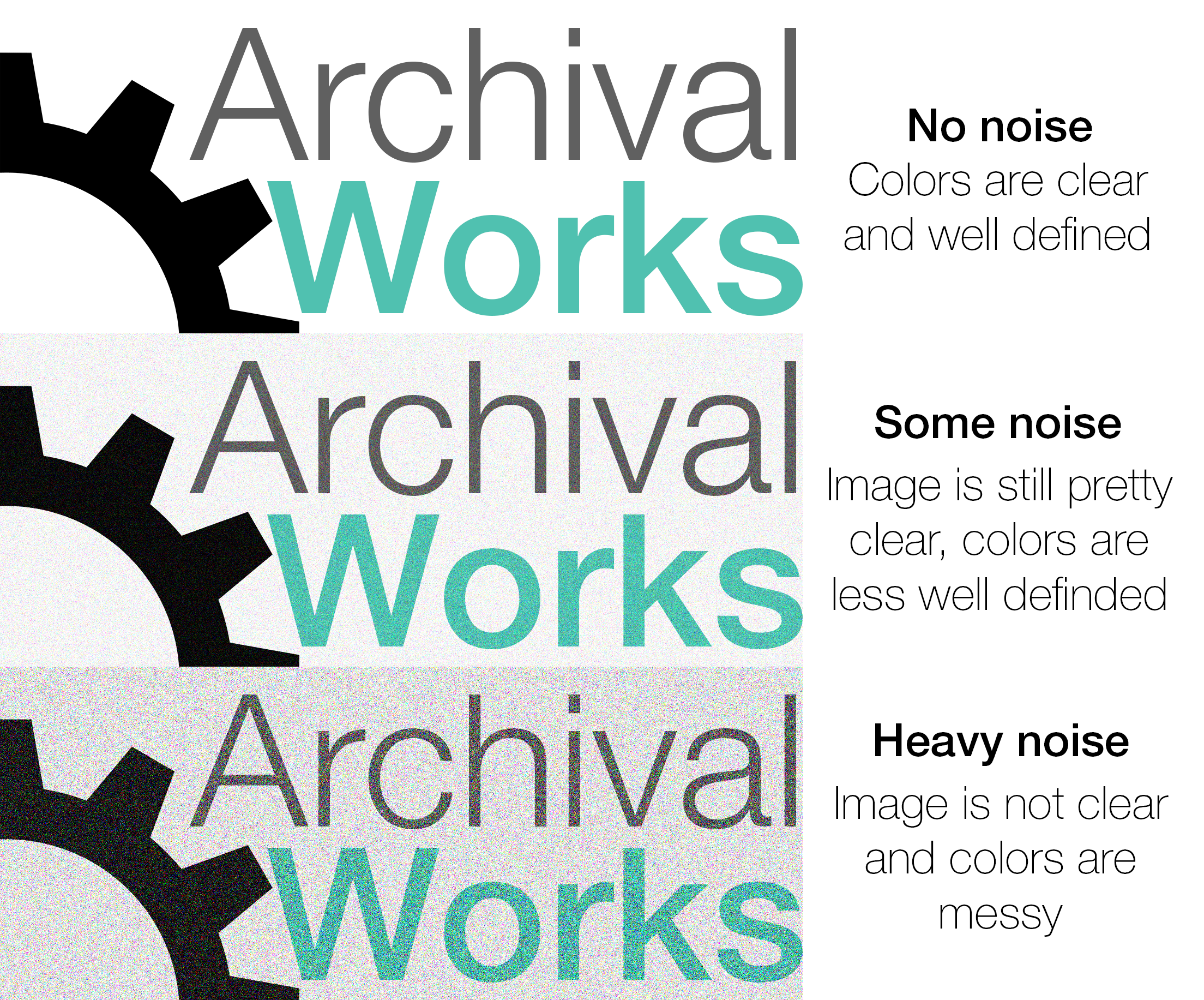
How much noise is actually on your tape, and is 8-bit capture enough to preserve it faithfully? This post compiles published signal-to-noise ratio specifications from original service manuals for VHS, S-VHS, Video8, Hi8, U-Matic, Betacam SP, and 1-inch Type C, then compares those numbers against the quantization SNR ceilings of 8-bit and 10-bit digitization. The data makes a clear case for 10-bit archival masters across the board.
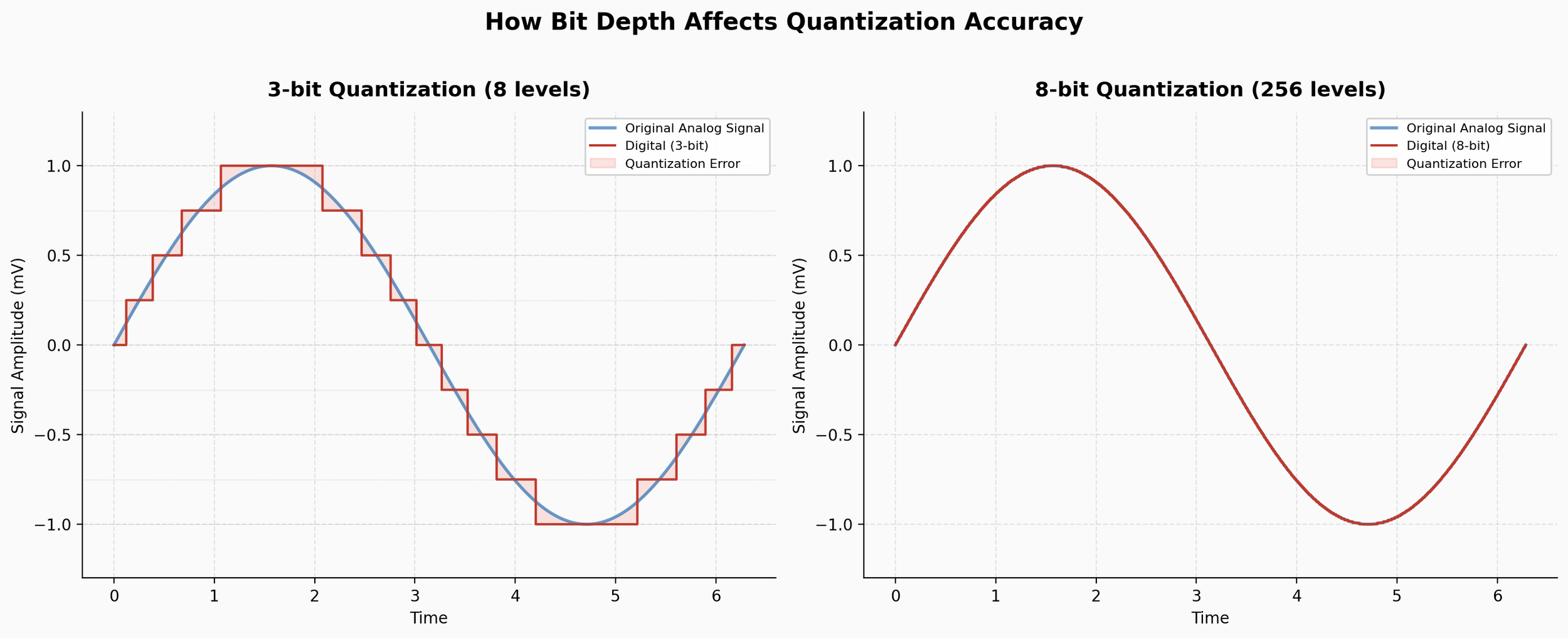
10-Bit Video for Archival Digitization: SNR and Bit Depth for Analog Video Capture (Part 1)
What does bit depth actually mean for archival video digitization, and why does it matter? This guide explains how analog tape signals are converted to digital, how quantization introduces its own noise floor, and why choosing the right bit depth is essential to preserving the full original signal. Part 1 of a two-part series covering the technical foundations of 10-bit capture for analog tape formats.
720x486 vs. 720x480: Why Line Count Accuracy Matters
720x486 vs. 720x480: Why Line Count Accuracy Matters
If you work with NTSC video long enough, you’ll notice that the resolution 720x486 appears frequently, especially in professional video contexts. However, 720x480 is used by DVDs and many consumer formats, which can make it seem like the more “standard” option…

Rubber Restoration: Rubbing New Life into Obsolete Machines
What’s the first component to give way in a VCR? As is often the case, as many mechanics know well, rubber is the fail point. As a VCR is unlikely to be met with high moisture, destruction from material decay will be due to rubber aging before metal gives way.

Stuck in the Past: Sticky Shed Syndrome
Aging magnetic tape made with particular binding agents can develop “sticky shed syndrome”, which can shred your tape when played! Symptoms of this decay can be observed in slowed performance from the tape, shedding residue onto the playback heads, or worst of all, the squealing sound of your tape shredding.

Tapes Getting Old? Watch Out for Mold!
VHS tapes and other forms of magnetic tape are subject to decay. As with old books, mold can come for your tapes.

Give a DAM! Ways to Organize Multimedia
To properly store and organize media, many use digital access management (DAM) systems. Be it photos, audio recordings, video, or documents, many DAM systems provide you access to your multimedia digital assets in a centralized location. The centralization of your digital assets makes them easier to share and it facilitates collaboration with others.

Digital Dust Removal for Slides and Negatives
Infrared dust removal systems, like Digital ICE, are a valuable tool for film scanners to improve the quality of their scans. Let’s discuss how this works, the pros, and the cons.

Digitizing Analog Media for Preservation
As technology advances and society becomes increasingly digital, it's important to consider the best ways to preserve and digitize analog media. Analog media, such as film reels, cassette tapes, and VHS tapes, can degrade over time, making it difficult to access and enjoy the content they contain. By digitizing these materials, we can ensure that they are preserved for future generations and are easily accessible today. Here are some best practices for digitizing and preserving analog media

Archival Video Formats According to the Library of Congress
Archival video formats can be a confusing and complicated matter. We get questions frequently asking what formats we recommend for media preservation. One great resource we’ve found is The Library of Congress's Recommended Formats Statement (RFS).